SOC 2 Compliance for Startups: A Practical Guide
Everything you need to know about achieving SOC 2 compliance as a startup, including which controls to prioritize and common pitfalls to avoid.
 Amirol Ahmad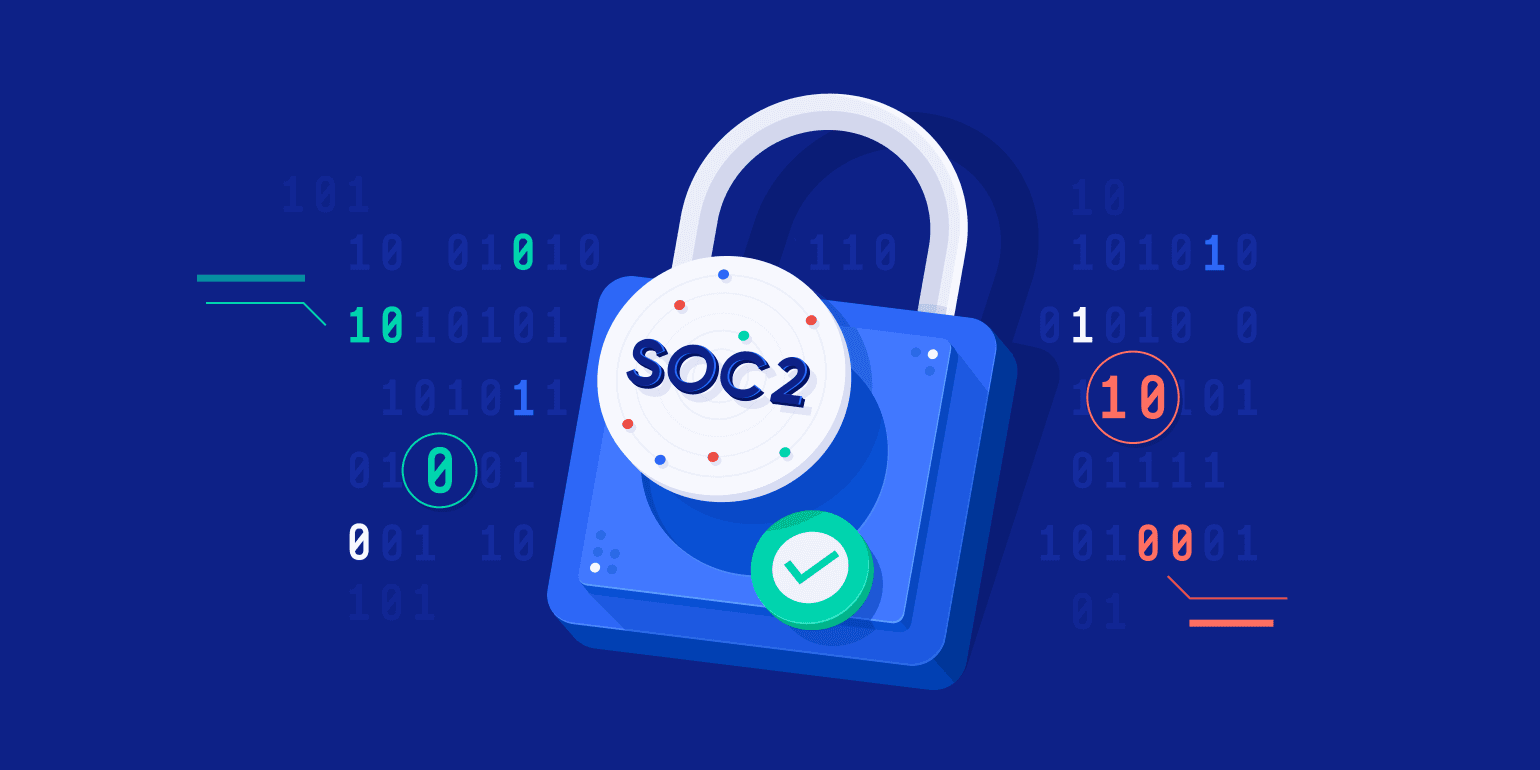
SOC 2 compliance is increasingly becoming a requirement for B2B SaaS companies. But for startups, the path to compliance can seem overwhelming. This guide breaks it down into actionable steps.
What is SOC 2?
SOC 2 (Service Organization Control 2) is a framework developed by the AICPA for managing customer data based on five trust service criteria:
- Security - Protection against unauthorized access
- Availability - System availability for operation
- Processing Integrity - System processing is complete and accurate
- Confidentiality - Information designated as confidential is protected
- Privacy - Personal information is handled appropriately
Type 1 vs Type 2
- Type 1: Point-in-time assessment of your controls
- Type 2: Assessment of controls over a period (usually 6-12 months)
Most startups begin with Type 1, then progress to Type 2.
Essential Controls for Startups
1. Access Control
// Example: Role-based access control
const canUserDo = (user: User, action: string): boolean => {
  const permissions = ROLE_PERMISSIONS[user.role];
  return permissions.includes(action);
};
2. Audit Logging
Every administrative action must be logged:
- Who performed the action
- What action was performed
- When it occurred
- What changed
LiteSOC provides 50+ built-in audit events out of the box.
3. Data Encryption
- At rest: AES-256 encryption
- In transit: TLS 1.3
4. Multi-Factor Authentication
MFA should be available for all users and mandatory for administrators.
Common Pitfalls
- Scope creep: Start with security only, add other criteria later
- Manual processes: Automate everything possible
- Documentation gaps: Document as you build, not after
How LiteSOC Helps
LiteSOC is built SOC 2 ready:
- ✅ Comprehensive audit logging
- ✅ PII auto-redaction in logs
- ✅ Role-based access control
- ✅ MFA enforcement
- ✅ Data encryption
Conclusion
SOC 2 doesn't have to be scary. Start with the basics, automate where possible, and use tools that are built with compliance in mind.
Stay Updated
Get the latest security insights and product updates delivered to your inbox. No spam, unsubscribe anytime.